




































The Unique Challenges of Fire Safety in Care Homes
Protecting vulnerable residents with limited mobility
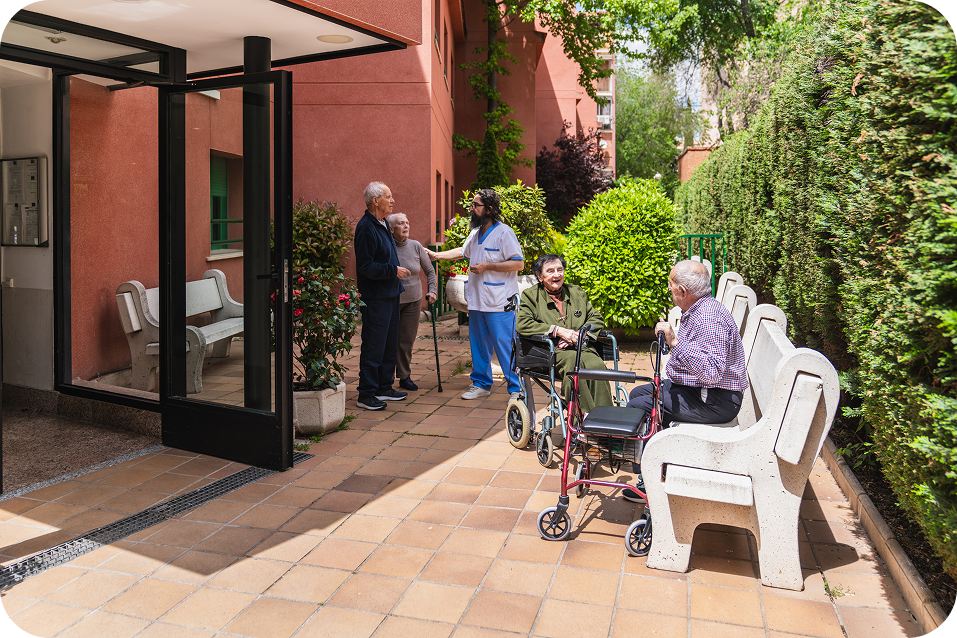
Many care home residents are old or infirm. This means that care home fire safety procedures need to plan for the evacuation of residents with varying levels of mobility, cognitive function, and potential sensory impairment.
The most common way this is approached is through the use of phased evacuation. However, this requires strict procedures to be followed with robust logistical manoeuvres. For this to be possible, there is a need for critical alarm management across all sites.
The risk of false alarms and alert fatigue
False alarms provide risks to the fire safety of care homes in a few different ways. One of the biggest negatives to repeated false alarms is that they can develop alert fatigue in staff members who are essential to maintain effective fire safety procedures. This results in genuine fire alerts being taken less seriously which can then lead to slower evacuations and the increased chance of fatal incidents. Especially if residents have respiratory issues and are more vulnerable to smoke inhalation and carbon monoxide poisoning.
Other risks include fines being incurred from emergency services for repeated false alarms, and the lifespans of fire safety assets being reduced due to overuse.
Maintaining accountability and compliance across a multi-site portfolio
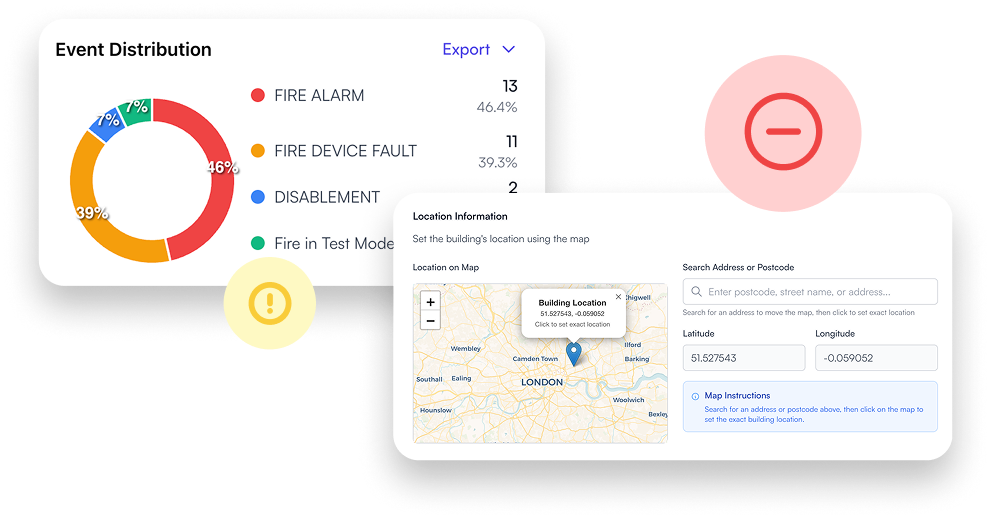
Without having a fully integrated solution with a centralised dashboard, maintaining accountability and compliance across multiple sites can be very difficult. This is because there are multiple sources for data and reports that need to be accessed manually and collated through the use of paperwork. This invites more chance for human error to creep in, and makes fire safety compliance efforts very time-consuming to implement.
Mandatory Compliance: What the Law Requires for Care Homes
There are several mandatory compliance points that are required for a care home to be fully fire safety compliant.
Understanding the Regulatory Reform (Fire Safety) Order 2005 (RRFSO)
The Regulatory Reform (Fire Safety) Order 2005 (RRFSO) places the responsibility of fire safety compliance on the designated ‘Responsible Persons (RP)’ within an organisation. It places a focus on taking a risk-based, proactive management approach to fire safety, rather than just installing the fire safety measures that you are told to by a regulatory body. This promotes the use of fire safety measures that are tailored to the specific needs of any sites within an organisation. Making the fire safety of each unique site more effective.
To ensure that an organisation has full fire safety compliance, RPs are required to:
Conduct fire risk assessments
Implement fire safety arrangements
Establish emergency procedures and training
Provide fire safety maintenance and documentation
British Standard BS 5839-1: Why category L1 is essential
Care homes are considered a high risk environment, in terms of fire safety, due to the need for evacuations to start as quickly as possible. This makes a category L1 fire alarm system essential, as it can cover all fire safety assets in all rooms, provide very early detection of fire risks, and enable the implementation of phased evacuations which require more time to complete.
What is an addressable fire alarm system and why is it critical?
An addressable fire alarm system in a care home assigns a unique address to every fire safety asset across a portfolio. This allows for alerts to be attributed to a specific device with more detailed information, instead of providing a simple alert for a broader zone.
This type of system is critical to effective fire safety as it enables quicker response times, accurate location data, reduced false alarms, and allows for phased evacuation strategies.
The cornerstone: Conducting a continuous fire risk assessment (FRA)
To remain compliant and provide effective fire safety in care homes, RPs must continuously run fire risk assessments across their sites. This involves identifying fire hazards and the people who would be at risk, implementing measures that will reduce or remove the risk of fires occurring as well as reducing risk for residents in the event of a fire, recording all findings of the FRA, and reviewing and updating the FRA whenever there is a change to the premises layout or number of occupants.
Fire Alarms
Panic Alarms
Intruder Alarms
Sprinkler Systems
Plant Alarms
Gas Alarms