





















Why Standard Fire Safety Solutions Fail the TV and Film Industry
The unique complexities of studio environments
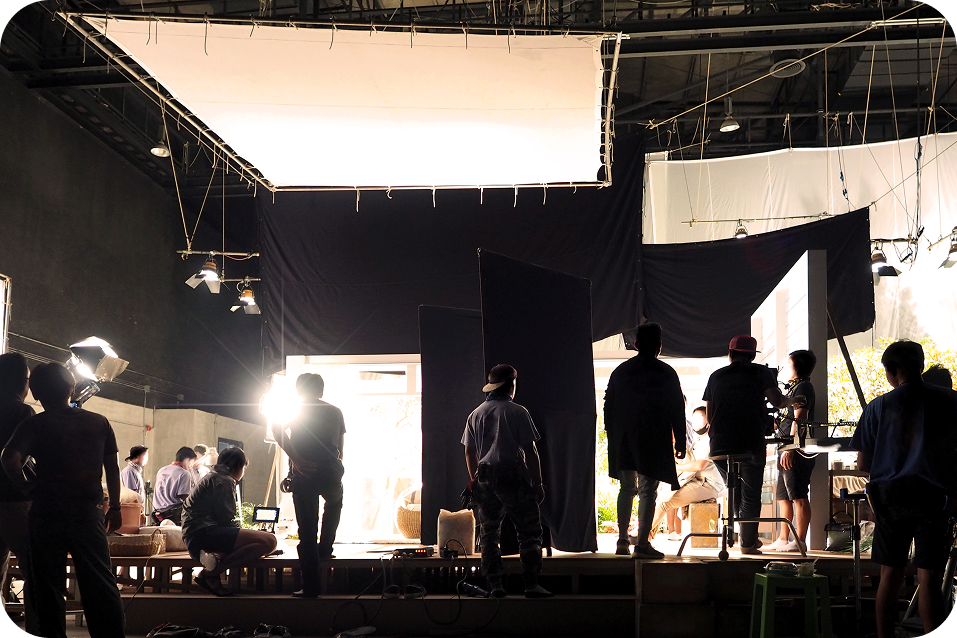
Studio environments are the complete opposite of a standard workplace. They have a number of elements that can lead to much higher fire risks than warehouses and factories, most notably when it comes to equipment and procedures/personnel.
The use of temporary sets often includes a high concentration of flammable materials including wood, foam, fabrics, and cardboard that have not been treated for fire resistance. This can result in a fire spreading extremely quickly throughout a site.
The use of high-powered lighting equipment can lead to increased levels of heat and potential ignition of flammable materials if placed too closely. The presence of multiple temporary electric devices to help power and run a set (generators, cabling, cameras and lights) can also increase the chances of an electrical overload that leads to a fire.
On many sets, there are special effects such as pyrotechnics and controlled fire sources such as candles and fireplaces that all provide an inherent fire risk. The use of other devices such as smoke machines can also cause issues with accurate fire detection and alerts. This can result in false fire alarms on set that can cause disruption and unwanted downtime.
Studio environments are often very dynamic and fluid. This can lead to issues that standard fire safety solutions are not equipped to deal with. With the amount of equipment and personnel required for a shoot, there is a high possibility that fire exits can be obstructed or difficult to access, and that personnel are not familiar with the fire routes and alarm sounds for the site.. This places high importance on early detection of fire risks, as evacuations will generally take longer.
The cost of downtime: why swift, accurate response is critical
Due to extremely tight production schedules, downtime is one of the biggest problems that can affect the film and media industry. This is because it can incur extra costs of having to pay for the use of a site for several more days than planned. It can also lead to every part of a production being delayed via a knock-on effect. This can require a lot of rescheduling and cancellation/moving of planned post production.
A swift and accurate response to any fire risk on a film set is therefore extremely important, as it can reduce the amount of downtime and lessen the impact of any knock-on effects.
Navigating compliance for constantly changing sets
Ensuring that every film set is fire safety compliant is a very big challenge. This is because they are constantly changing. Whether different props or backdrops are changed or the number of personnel keeps changing, making sure that the information provided to regulatory bodies is up to date and correct can be very challenging.
Fact: Fire and rescue services’ total incident volume rose to 598,504 in the year ending September 2024, a 7.7% increase over five years, prompting event and production venues to coordinate more closely with local services on pre‑planning and emergency procedures.
Fire Alarms
Panic Alarms
Intruder Alarms
Sprinkler Systems
Plant Alarms
Gas Alarms