









































What are the main fire alarm system options for a listed building?
The main fire alarm system options for a listed building are non-intrusive systems such as wireless fire alarm systems which reduce the amount of cabling required, early detection systems such as aspirating smoke detectors and air sampling (VESDA) systems, and clean agent suppression systems that remove the risk of water damage.
Can a wireless fire alarm system be installed in a Grade I or Grade II listed building?
Yes, wireless fire alarm systems are ideal for use in listed buildings as they are less intrusive, and provide early fire risk detection.
What is 'Critical Alarm Management' and why is it important for heritage sites?
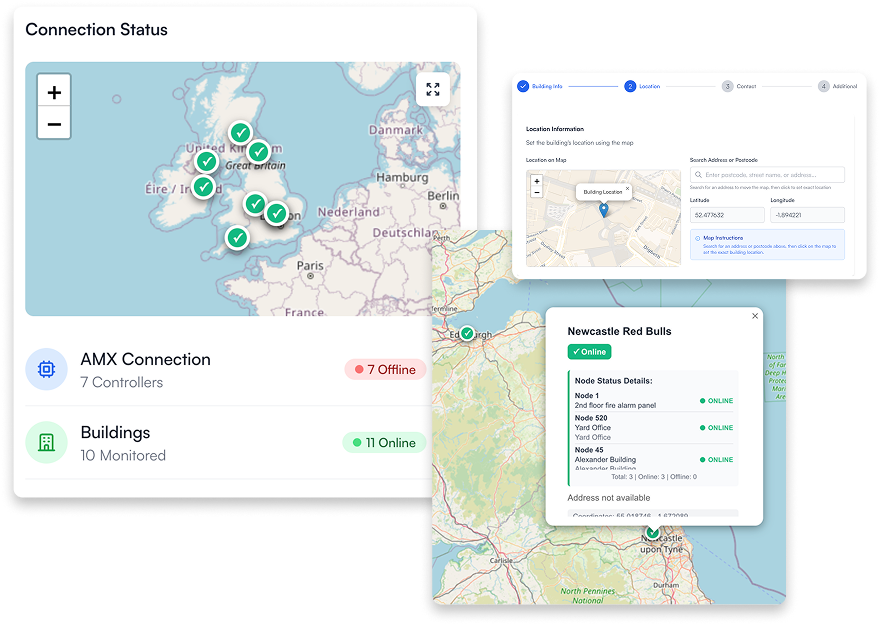
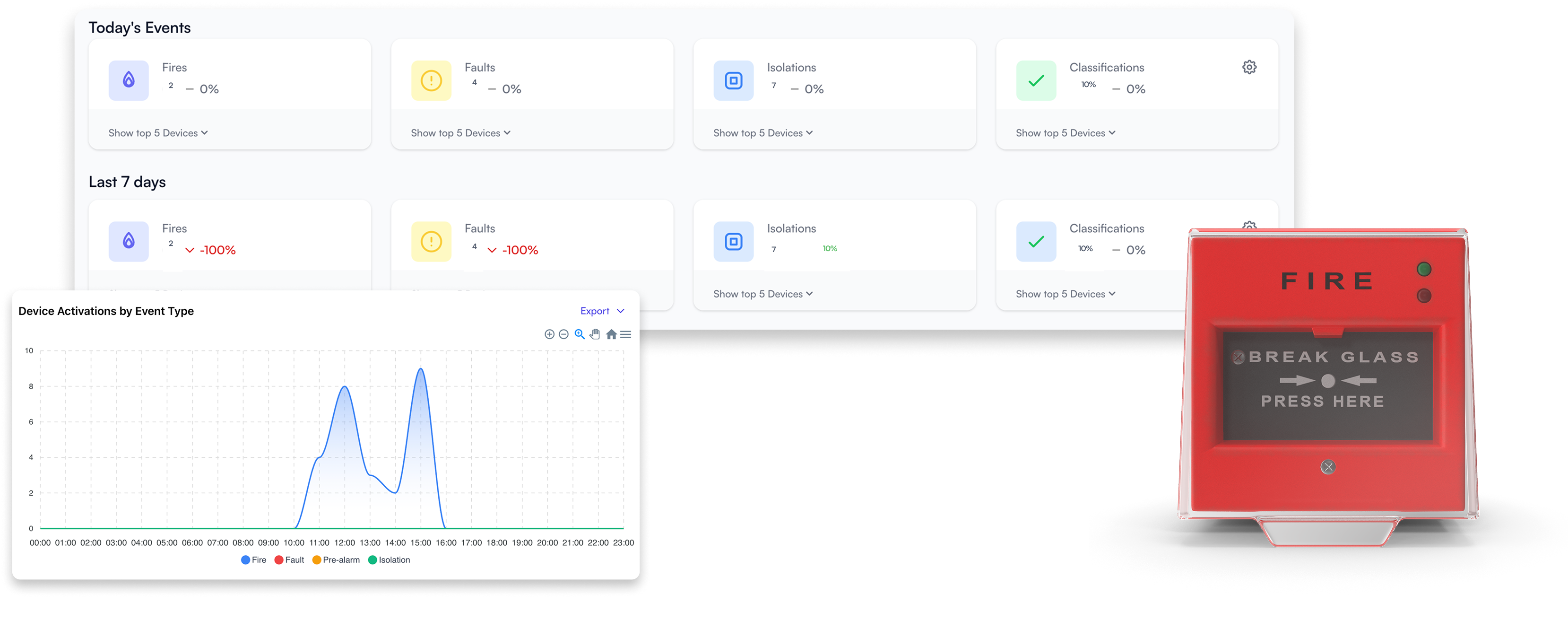
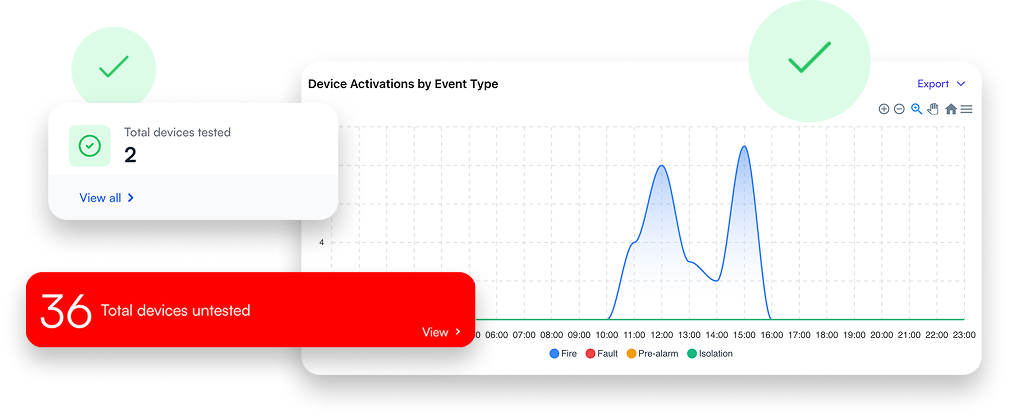
Critical alarm management is the act of centralising the status of all fire safety assets across a site or sites into one integrated platform. This is important for heritage sites as they often have very complex fire safety compliance needs which are very difficult to track and report on through siloed data and on site checks.
How does Drax Technology help with compliance reporting for a heritage building?
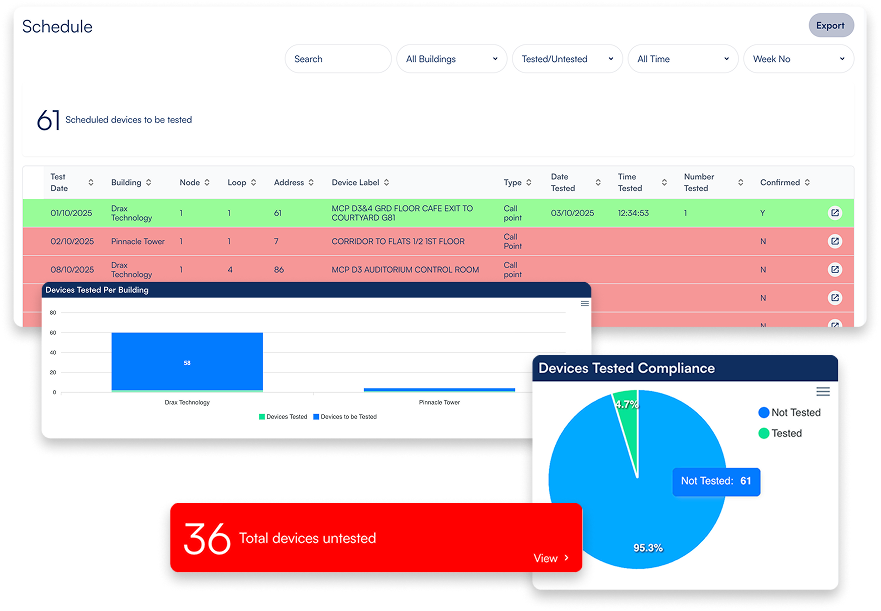
Drax Technology helps with compliance reporting for heritage buildings by automatically recording and updating audit trails for all fire safety assets across the site, providing a compliance hub for easy access to documentation for regulators, and recording unique in-depth incident reports for every fire safety asset in the portfolio.
Is Drax Technology compatible with my existing fire alarm panel?
Yes, our intelligent solution is compatible with over 50 fire alarm panel manufacturers. It is capable of interconnecting numerous fire safety assets from numerous fire alarm brands into a centralised solution seamlessly.


