




















Intelligent Waste Management Fire Alarm Systems for Predictive Safety


Speak to our Waste Management team

The unique fire risks in waste and recycling

Combustible materials and spontaneous ignition

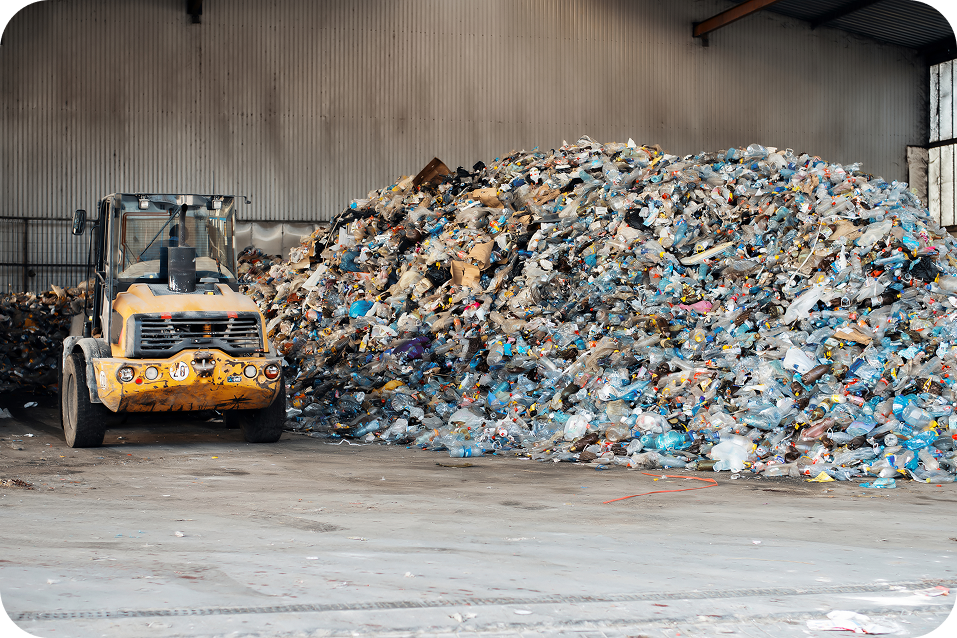
Waste management facilities often contain numerous materials that are highly combustible and can lead to spontaneous ignition. The processing of wood based materials such as paper can create fine dust that is explosive when suspended in the air. All it takes is a single spark to ignite these materials and create a dust explosion that rapidly spreads fire throughout the facility.

Harsh operational environments and deep-seated fires

Fires in waste management facilities often start deep within a waste pile. This allows them to smoulder and escalate undetected. Some fires can go days without being detected, by which point they are extremely well established and difficult to suppress. There is also the chance that such deep-seated fires will reignite easily too.

Navigating complex regulations and compliance

There are unique waste site fire safety compliance challenges that make staying fully compliant more difficult. Due to their ever-changing environment, it is very difficult to accurately assess the fire risk within a waste management facility. This is because the fuel load within a facility is constantly changing which requires an assessment to provide fixed safety parameters that account for a highly variable fire load that can include any number of highly flammable and combustible materials.

The potential for the risk of spontaneous combustion must also be addressed in an assessment. This drives the need to establish (and enforce) heat temperature monitoring, safe pile size limits, and material rotation as part of the fire safety procedures.

Specialised detection and suppression systems must be used to remain fully compliant, and there are specific separation and storage requirements provided by Waste Industry Safety and Health (WISH)  that must be followed.

The role of the responsible person and WISH guidelines

The role of the responsible person (RP) is to ensure waste site fire safety compliance and minimise the risk of fire and injury. To do this they need to run regular Fire Risk Assessments (FRA), implement fire safety measures based on the FRA findings, conduct adequate fire safety planning and training, ensure all fire safety assets are maintained and tested, and keep detailed records of all training, maintenance and procedures.

There are WISH guidelines that are specifically aimed at fire safety within waste management facilities. They include guidance on the maximum recommended size, height, and separation distances for stored waste piles to reduce the chances of fire risk, ignition source control through material rotation and temperature monitoring, firewater runoff containment planning to avoid pollution, and the recommendation to use advanced detection methods that can detect heat at the centre of a waste pile before smoke is visible.

Complete integration with all your facilities life safety systems

Fire Alarms

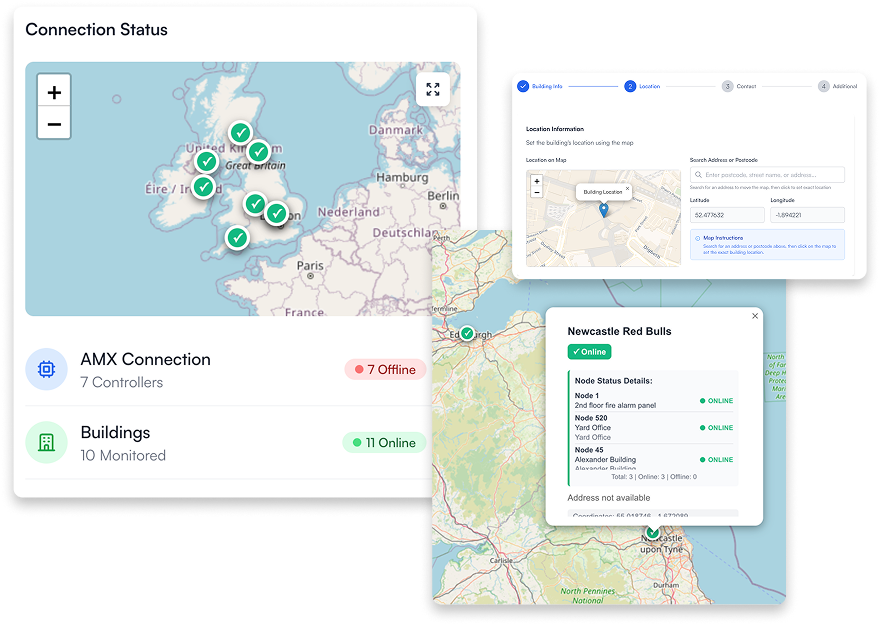
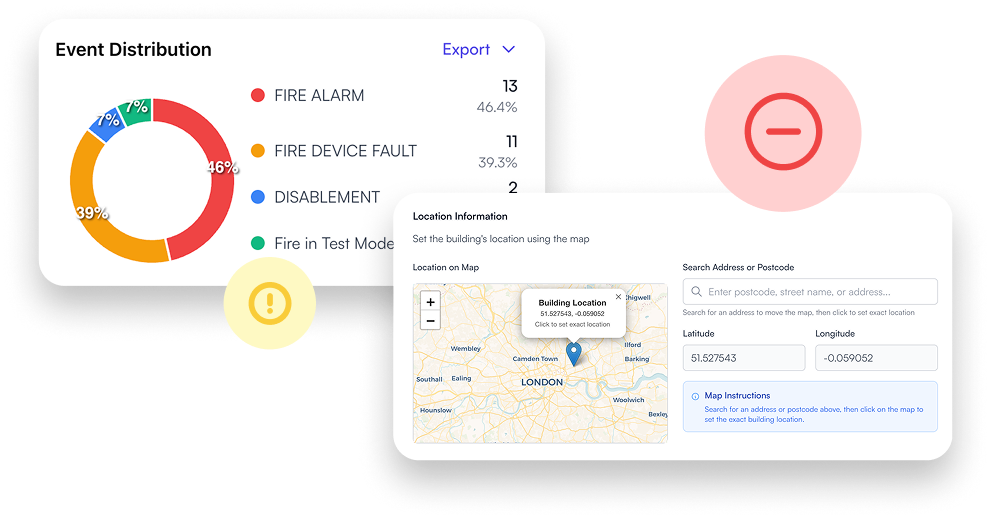
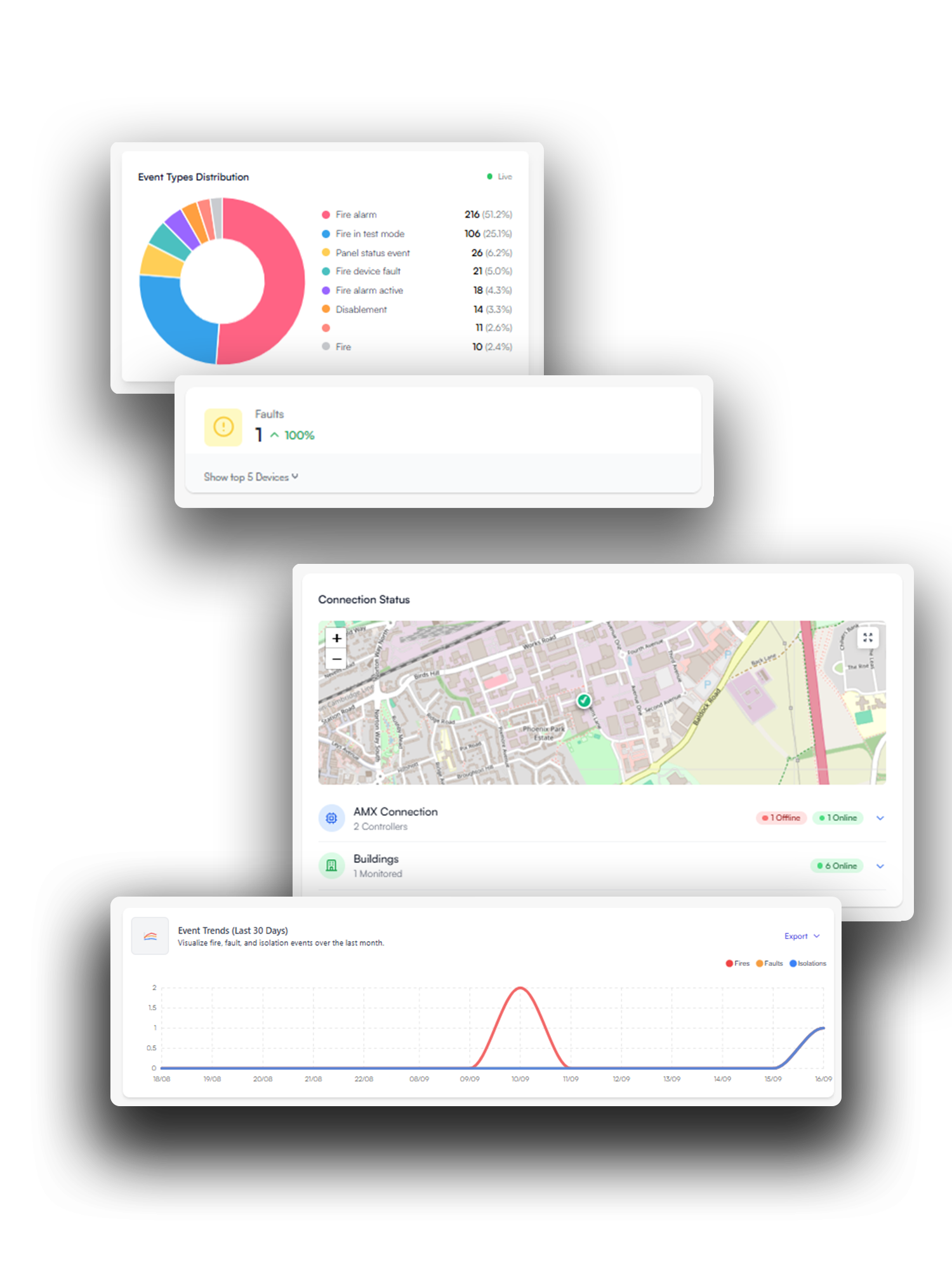
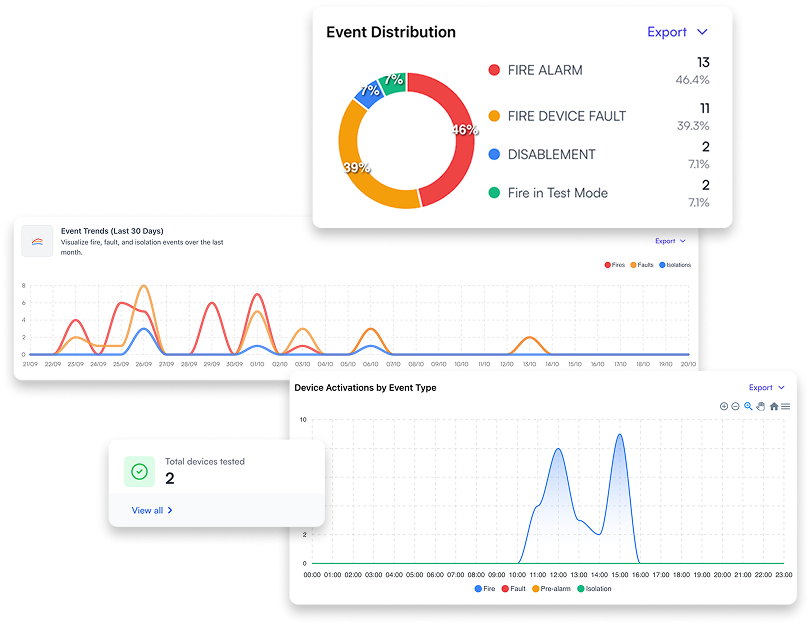
Create a centralised view of individual alarm devices and identify fire, pre-alarm, fault and disablement event in real time

Panic Alarms

Integration with campus panic alarms supports providing immediate help during various emergencies

Intruder Alarms

Integrate your intruder alarms to ensure appropriate resource is deployed quickly

Sprinkler Systems

Get alerted when your sprinkler systems are triggered and where you need to ensure quick response times to the event.

Plant Alarms

Get alerted when your plant alarms are triggered and where you need to ensure quick response times to the event.

Gas Alarms

Get alerted when your gas alarms are triggered and where you need to ensure quick response times to the event.

Why standard fire systems fail modern waste management

Reactive systems mean lost time and increased damage

Standard reactive systems such as traditional smoke alarms are not capable of detecting deep-seated fires at the centre of waste piles until smoke from the fire escapes into the air and rises to the smoke alarm’s position. This gives fires the time to fully develop and establish before any kind of emergency response is triggered.

Established fires cause more damage across a larger area of a facility and will often result in longer amounts of downtime. Especially if the deep-seated fire is able to reignite before it is fully contained and suppressed.

The cost of downtime and incident forensics

Waste management facilities are designed for high-volume, continuous processing. This means that any kind of downtime is extremely costly. As well as direct financial losses such as lost processing revenue, penalty fees for diverting incoming waste to competitors, idle labour costs and the cost of physical clean up and repairs, there are operational losses too.

Downtime can lead to contract breaches with large clients and local authorities, recyclable material value drops due to damage, and extended delays in fire recovery times.

There is a need for incident forensics in the case of a fire for investigation and insurance purposes too. These also come with significant cost implications though. An investigation requires the hiring of a number of experts, none of which are cheap, and there are potential environmental and compliance penalties that can end up being quite costly too. 

Siloed data and manual reporting create compliance gaps

By relying on siloed data across multiple sites, the likelihood of gaps appearing within your fire safety compliance increases. This is because on-site checks are time-consuming which can lead to fresh issues going undetected for a long time. There is also the possibility of compliance checks forming due to overeliance on physical paperwork which introduces more opportunities for human error to happen.  

Our system is compatible with over 50 fire alarm manufacturers

Drax Technology: The intelligence behind safer waste environments

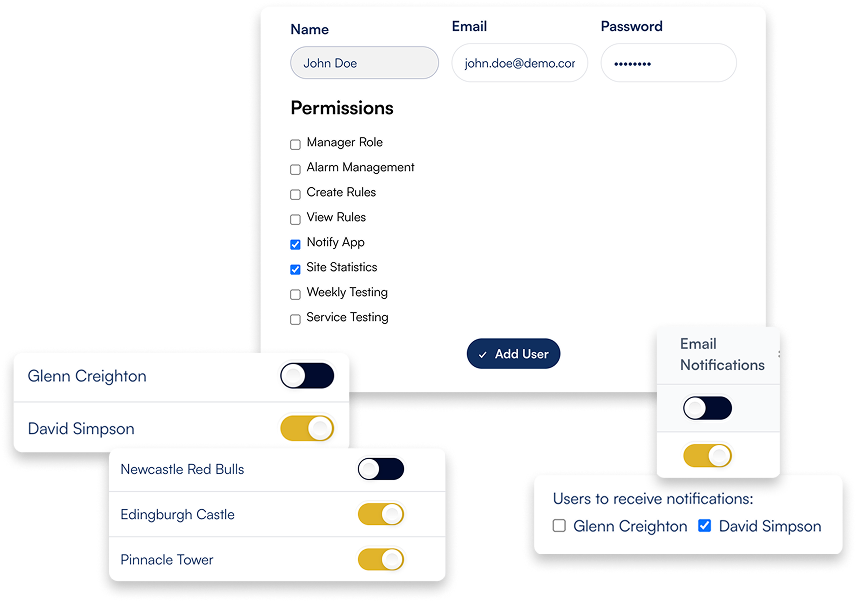
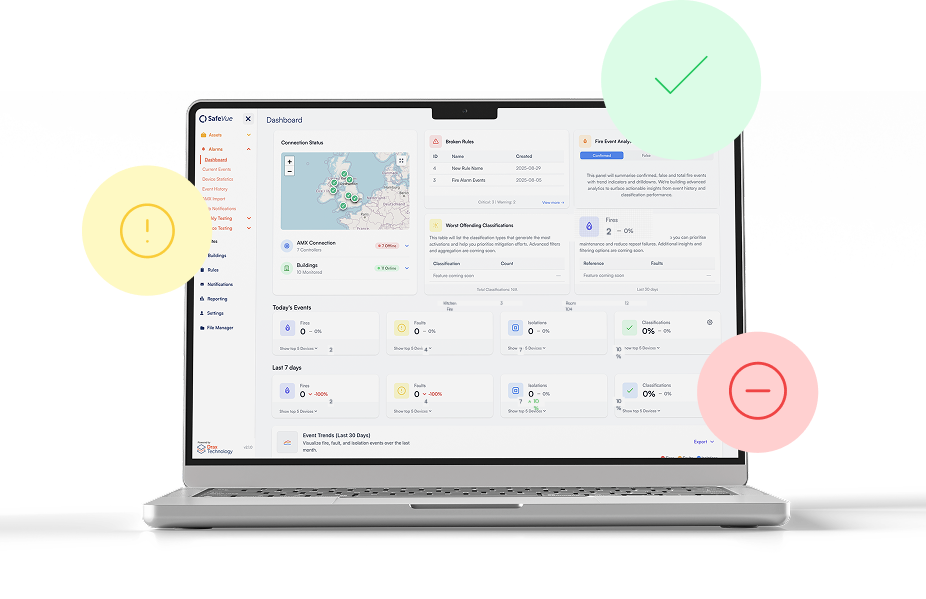
  • Critical alarm management: One platform, zero complexity Manage all of your fire safety assets through one user-friendly dashboard. Simplifying critical alarm management for recycling centres.
  • Seamless integration with all leading fire panels Connect alarm panels from multiple manufacturers together into one solution seamlessly. Compatible with over 50 fire alarm brands.
  • Real-time visibility across single and multiple sites By relying on siloed data across multiple sites, the likelihood of gaps appearing within your fire safety compliance increases. This is because on-site checks are time-consuming which can lead to fresh issues going undetected for a long time. There is also the possibility of compliance checks forming due to overeliance on physical paperwork which introduces more opportunities for human error to happen.
  • Early identification of faulty devices and pre-alarm events Use a fire safety solution that is ‘always on’ to detect faulty assets and pre-alarm fire risks quickly.
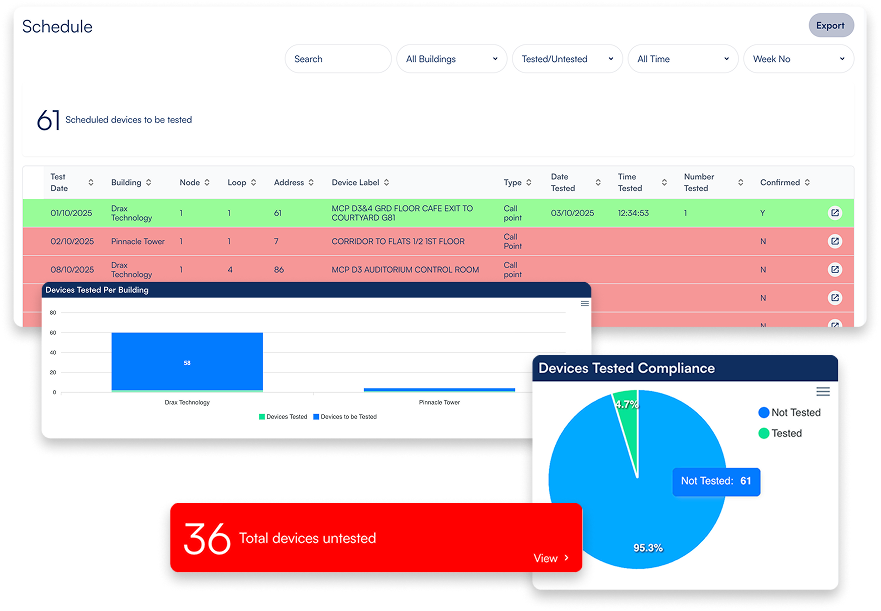
  • Autonomous compliance for continuous readiness Audit trails for all fire safety assets and fire events are recorded automatically and stored for compliance purposes.
  • Streamlined regulatory reporting and audit trails Regulatory reports can be accessed easily through the compliance portal. Remove the need for paperwork and provide required data quickly.
  • Predictive risk engine: Anticipate threats before they escalate Anticipate fire risks early with predictive models. Enabling you to perform remedial maintenance before a small fault can progress into something more dangerous.

Who We Work With

Competitor weaknesses we turn into your advantage

Moving beyond service-delivered solutions to end-user control

One of the biggest drawbacks of relying on service-led industrial fire protection systems in the UK is a certain lack of control for the end user. This is because some reports and functions require input from a third party to be truly effective. This can lead to delays and inadequacies in your fire safety offering. 

Instead of locking parts of our fire safety platform behind contact gateways, we put the control of your fire safety systems firmly in your hands. Everything can be controlled directly from a central dashboard by the end user.  

The "sticky" advantage of embedding in your workflow

Rather than treating fire safety as a set of semi-regular tasks that interrupt your regular workflow, it is much more effective to integrate it into your everyday workflow. This ensures that fewer faults are left undetected and that your sites are safer overall.

This approach is only possible through the use of a fully integrated system that provides an overview and control of all fire safety assets across your portfolio. Fortunately, this is exactly what our solution is designed to do.

Our technology vs. outdated compliance and manual systems

Outdated compliance approaches rely on manual systems that are slow and time-consuming with the increased risk of human error becoming a factor due to high amounts of paperwork.

Our automated solution reduces paperwork significantly and automatically records fire event data and audit trails which can be accessed via the compliance hub. It also automatically checks for non-compliance and provides actionable guidance on how to proceed.

Ready to transform your fire safety compliance?

Want to transform your fire safety compliance by taking a proactive approach to fire safety? We can help you move towards a fire safety approach that predicts potential threats and deals with them before they can escalate into a full fire risk.

If you want to reduce false alarms and make fire safety compliance easier, talk to one of our team today.

Waste management fire alarm systems FAQs

Why are fire alarm systems in waste management sites so complex?

Fire alarm systems in waste management sites are so complex due to the high volume of combustible materials, the variety of combustible materials, and constantly changing ratios of different materials on site. This increases the risk of deep-seated fires, spontaneous combustion events, and external fires. This makes adherence to strict regulatory fire safety compliance guidelines paramount.

How can Drax Technology help with compliance reporting?

Our solution includes a compliance hub which can be used to record compliance data automatically, generate compliance reports for regulatory bodies, and store full audit trails for all fire safety assets across all sites. This removes a lot of manual effort in compliance reporting and provides all required information in one easy to access place. 

Does Drax Technology integrate with my existing fire panels?

Yes, our platform is compatible with over 50 fire alarm panel manufacturers.

How does Drax Technology anticipate risk before it becomes a threat?

Our intelligent solution uses real-time data to produce predictive models that can anticipate potential faults and fire risks. This enables the end-user to initiate remedial maintenance early, fixing a smaller issue before it has a chance to progress into a larger fire risk.  

How is Drax different from a typical fire safety service provider?

Instead of providing a service that locks you into a single provider with the need for a third party to make the most of your fire safety systems, we put control directly into your hands. Our platform enables you to take full control of your critical alarm management without any delays due to having to refer to a third party.