












How does Drax Technology help with false fire alarms in train stations?
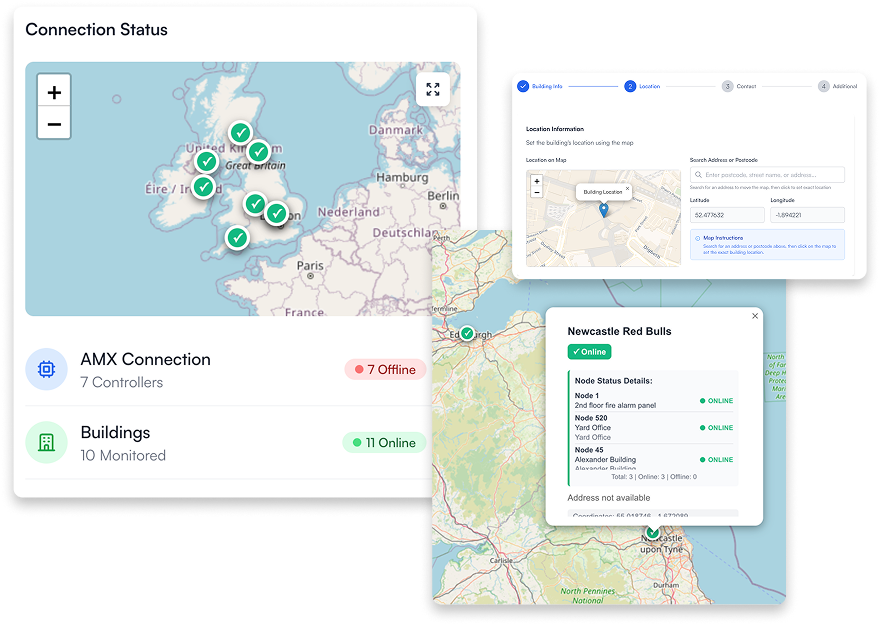
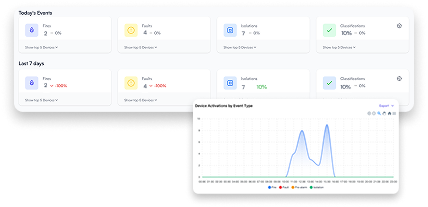
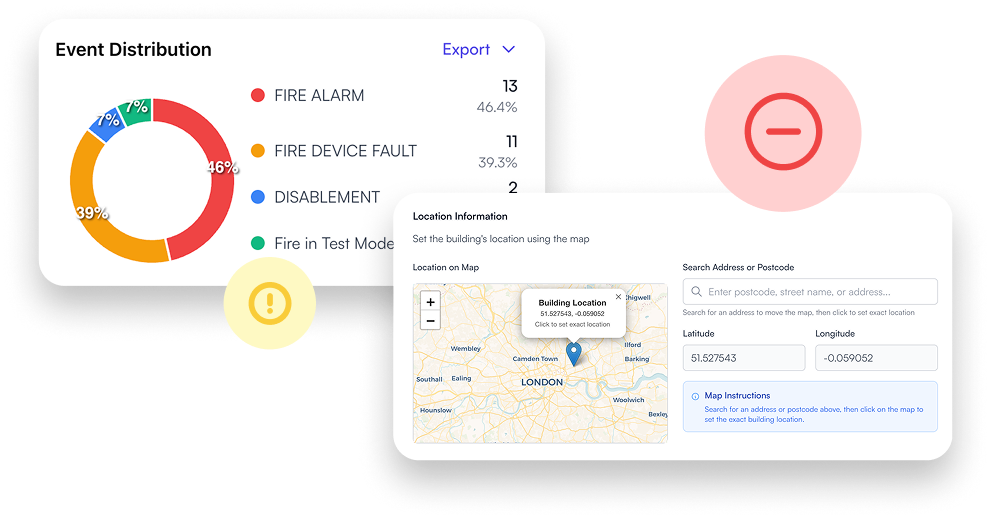
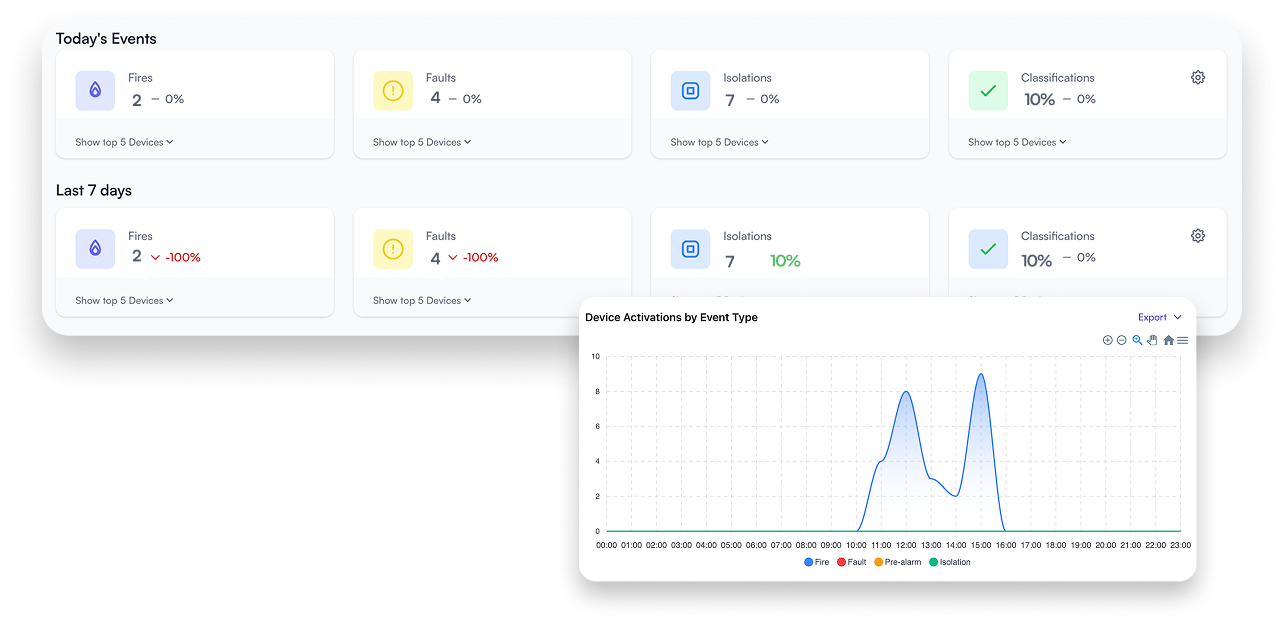
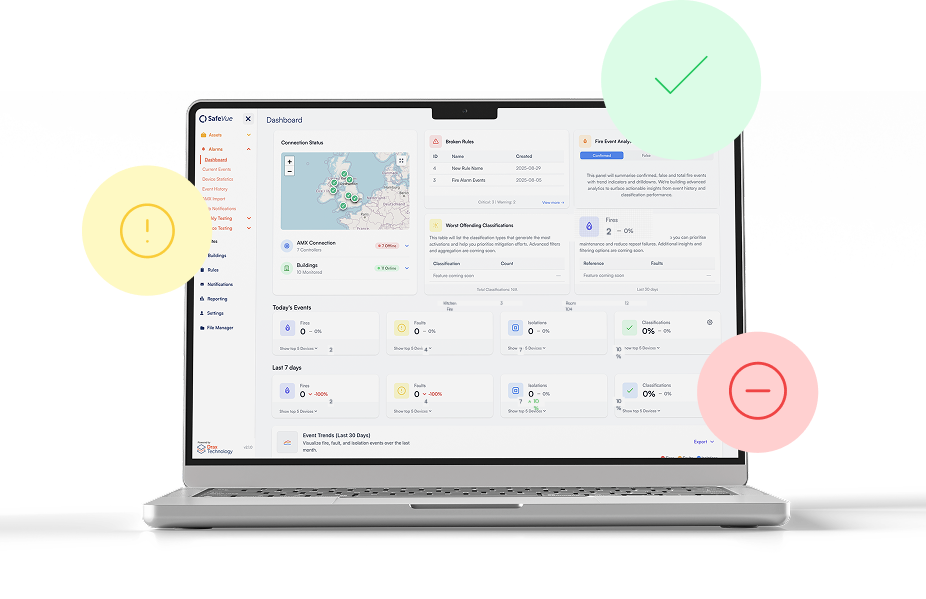
Drax technology helps with false fire alarms in train stations by greatly reducing the amount of them that occur. Through real-time monitoring and proactive maintenance, our platform helps to identify and anticipate minor faults that could lead to false alarms, and take remedial action before they have the chance to progress further.
Is Drax Technology compatible with my existing fire alarm systems?
Yes, our intelligent platform can interlink fire safety assets into one network, regardless of brand, and is compatible with over 50 fire alarm manufacturers.
How do you ensure compliance for fire safety assets like fire doors in a rail portfolio?
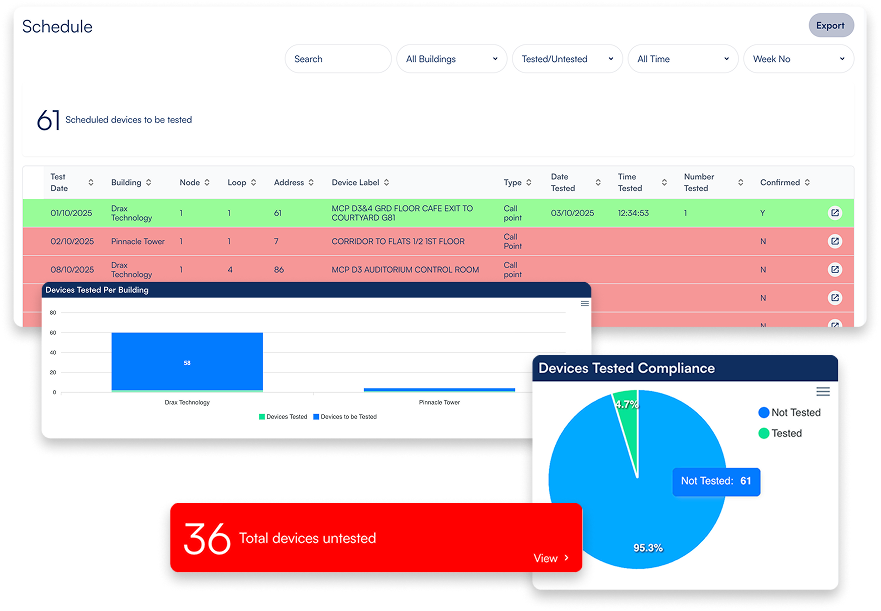
You can ensure compliance for fire safety assets like fire doors in a rail portfolio by connecting them to our railway fire safety software. This will then monitor all fire doors in real-time, assign RAG ratings to them, and run automated compliance reports and audit trails for them.
Who is the typical end-user for Drax Technology's platform?
The typical end-user for our platform is the ‘responsible person’ within an organisation. This is usually the facilities manager, compliance manager, or site manager. Though there are many other associated job titles too.


